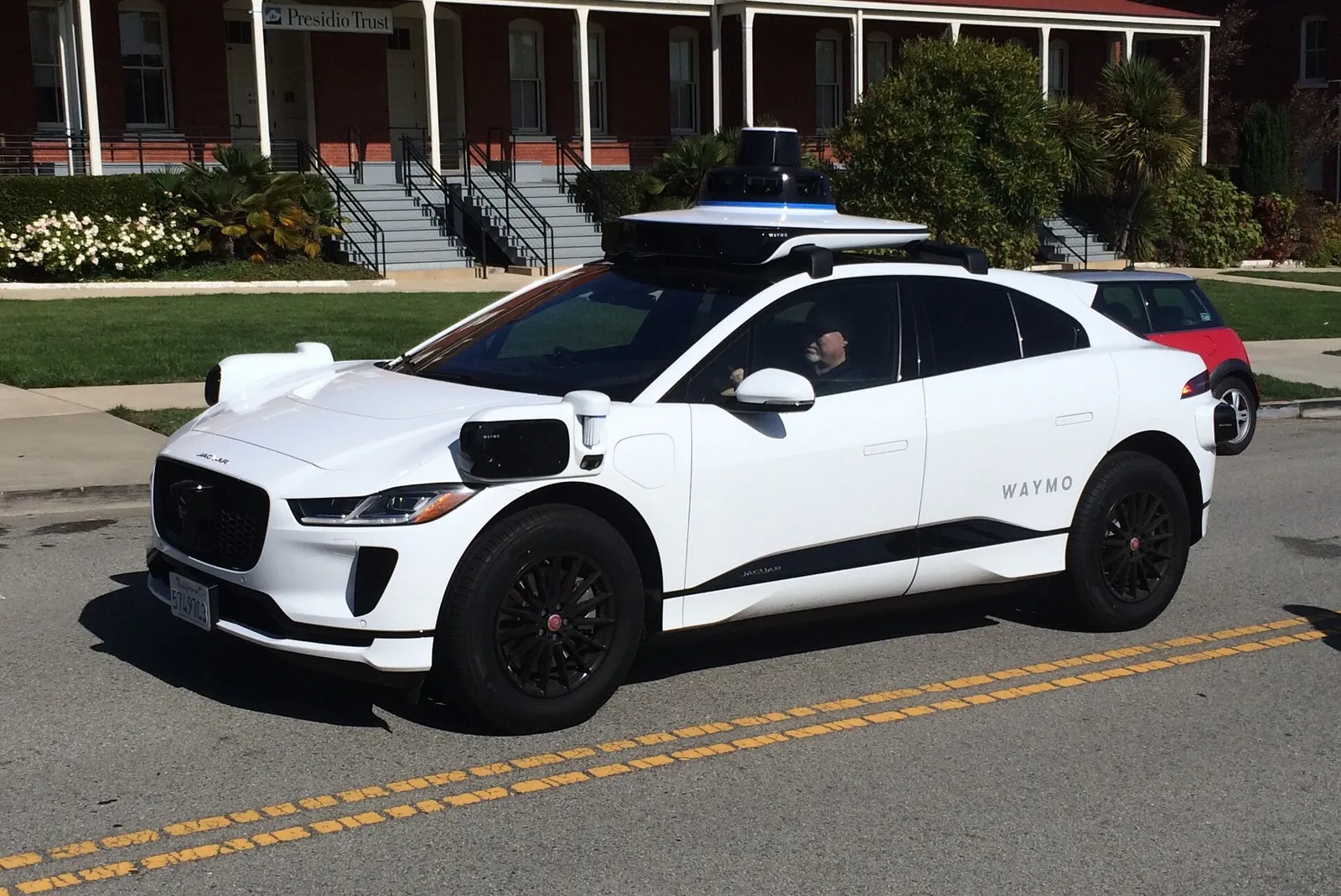
Waymo scaled back its robotaxi service in San Francisco on Saturday during a power outage, in the latest example of a driverless fleet reaching its limits when the infrastructure around it stops working.
The Alphabet-owned company told riders in the city that service was "temporarily paused" and that "freeway routes are unavailable," according to a screenshot of the rider notification reported by TechCrunch. The outage appears to have affected around 7,000 PG&E customers in San Francisco.
Waymo's own description of the disruption was more measured than the rider notification. "We are making temporary adjustments to our service while we monitor local conditions," a spokesperson said in a statement to TechCrunch. "We know riders depend on us, and we will return to normal operations as soon as possible." The company did not say how many vehicles were affected, how much of its service area was involved, or how long the adjustments would last.
Why outages are hard for driverless cars
A power cut changes the road in ways an autonomous system has to interpret rather than simply observe. Traffic signals go dark, which under California law turns an intersection into an all-way stop. Street lighting disappears. Human drivers around the vehicle behave less predictably than usual.
Waymo's cars carry their own batteries and do not depend on the grid to move, so an outage does not strand them for lack of power. The harder problem is decision-making: an unfamiliar and rapidly changing street environment is exactly the situation where a driverless system is most likely to stop and ask a remote human for guidance, and where a large number of vehicles may need that guidance at the same time.
A pattern, not a one-off
This is not the first time the grid has caused Waymo trouble in San Francisco. A number of Waymo vehicles stalled on city streets during a blackout in December, and a similar incident paralyzed traffic during a Golden Gate Bridge fireworks show on the Fourth of July, TechCrunch reported.
Those episodes have moved the argument from engineering into regulation. San Francisco Mayor Daniel Lurie has called for tougher state rules to "adequately address how autonomous vehicles operate during major incidents, planned or not."
What it means commercially
Pausing service is, in isolation, the cautious and defensible choice: a fleet that withdraws when conditions degrade is safer than one that keeps driving into situations it cannot read. But availability is central to the economics of a robotaxi business. A service that competes with car ownership and with human ride-hailing has to be there on the days when it is hardest to get a ride, and storms, outages and crowd events are precisely those days.
That tension is the unresolved question hanging over the sector. Waymo has shown that it can operate a paid driverless service at scale in normal conditions. Saturday's pause is a reminder that the harder test, and the one regulators are increasingly focused on, is what the fleet does when conditions are not normal.