Jeff Bezos's rocket company has a hole to dig out of — literally. Blue Origin is rebuilding its Cape Canaveral launchpad after its New Glenn rocket exploded during a ground test in late May, destroying the vehicle and badly damaging the pad, as reported. No one was hurt — but the timeline for getting back to flight is now a point of real disagreement.
What happened
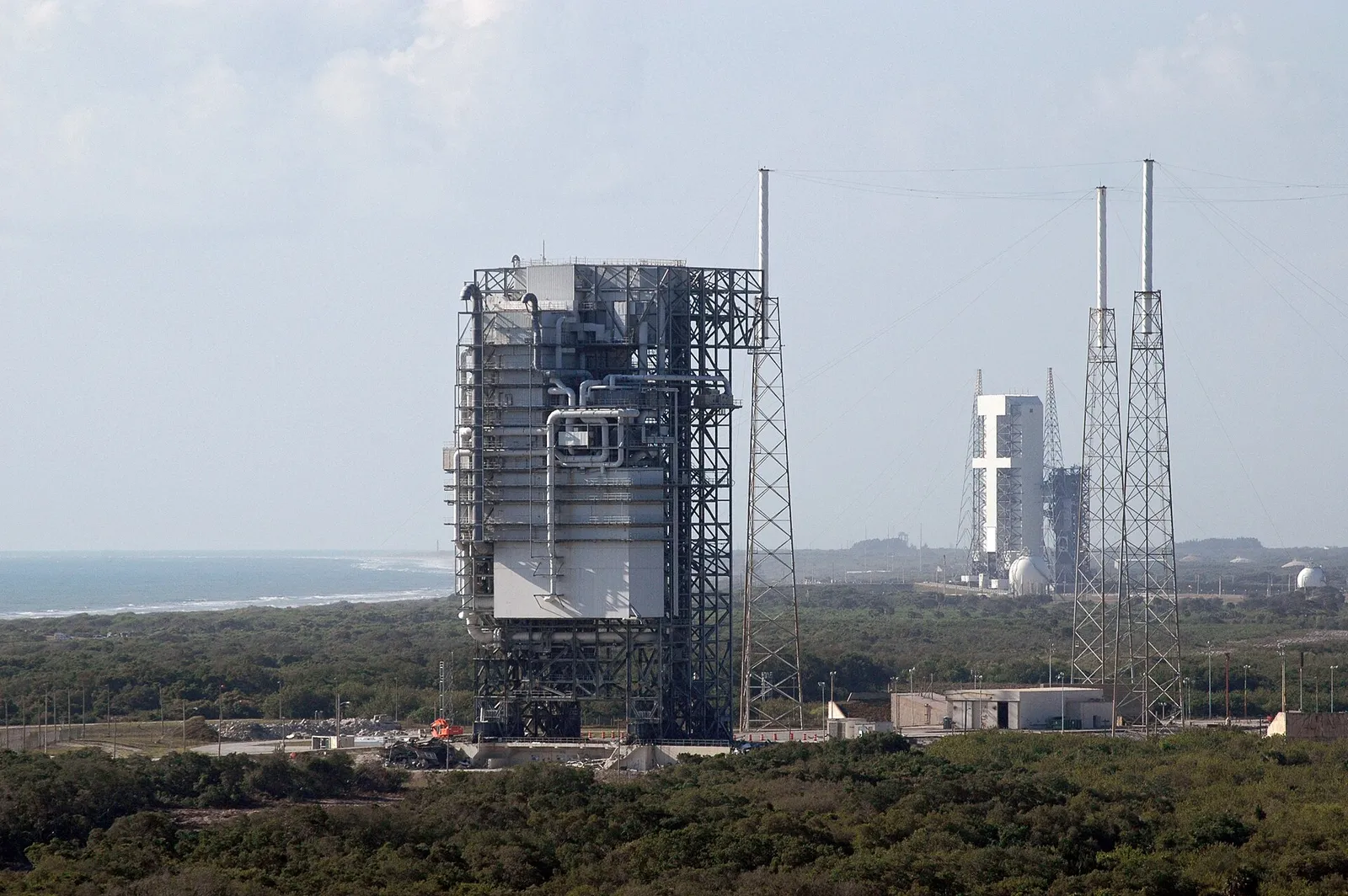
On May 28, a New Glenn was undergoing a static-fire test — a pre-launch exercise in which the engines are ignited while the rocket is held down — at Launch Complex 36 when it exploded. The blast wrecked the "transporter-erector," the heavy ground equipment that hauls the rocket to the pad and stands it upright, per SpaceNews. It took days just to clear the debris. (Blue Origin hasn't publicly pinned down the cause yet, so treat the why as unconfirmed.)
The rebuild — and the timeline fight
Rather than simply replacing what was destroyed, Blue Origin says it's moving to a new "vertical" pad design that doesn't rely on the transporter-erector — a change it had been developing anyway. Bezos and CEO Dave Limp have struck an optimistic note, saying they aim to resume New Glenn flights by the end of 2026.
Others are more cautious. NASA Administrator Jared Isaacman said restoring the pad "will take some serious time," with some estimates pointing toward 2028. That gap — months versus years — is the crux of the story.
What New Glenn is, and why it matters
New Glenn is Blue Origin's big, partially reusable orbital rocket (it can lift roughly 45 metric tons to low Earth orbit), built to compete with SpaceX's Falcon 9 and Falcon Heavy. Named after astronaut John Glenn, it first flew in January 2025 and has launched only a handful of times since. The problem for Blue Origin is cadence: SpaceX is on track for well over 100 Falcon 9 launches this year, while New Glenn is still proving itself — and reliability and frequency are what win customers.
The stakes: Amazon's Kuiper, and the launch race
The setback ripples beyond Blue Origin. Amazon's Project Kuiper — its satellite-internet network meant to rival SpaceX's Starlink — has booked New Glenn for a large block of launches (reportedly a dozen firm, with options for more) and faces regulatory deadlines to get thousands of satellites into orbit. Every month New Glenn is grounded pushes Amazon to lean harder on rivals, including SpaceX, to keep Kuiper on schedule.
It's a reminder that the launch business is booming on satellite demand — but that reliable heavy lift remains brutally hard. SpaceX recovered from its own pad explosion (the 2016 Amos-6 loss) and came back stronger; Blue Origin is trying to show it can do the same, with less margin for error.
Why it matters
For Blue Origin, this is a test of execution, not ambition — billions in funding and a billionaire backer don't substitute for a working, frequent rocket. For Amazon, it complicates Kuiper's race against Starlink. And for the space economy broadly, it underscores how dependent the world has become on a single dominant launcher (SpaceX) while challengers struggle to scale. Boursel offers no view on any company's value; the takeaway is that Bezos's bid to break SpaceX's grip just got harder and more expensive — and the clock, whether it runs to year-end or 2028, is now the story.