Britain hasn't built a big new "water battery" in 40 years. That's about to change.
What was approved
Ofgem, the UK energy regulator, published a provisional list of 16 long-duration electricity storage (LDES) projects it intends to support — among them several pumped-storage hydro schemes that would be the first of their kind built in Great Britain since the 1980s. The largest is SSE Renewables' Coire Glas (1.4 GW, 45+ GWh) on Loch Lochy in the Scottish Highlands, which the company says would roughly double the UK's existing electricity-storage capacity. Independent developer Gilkes Energy has two more on the list — Earba (1.8 GW, 40 GWh) and Fearna (2 GW). The decision is "minded-to" (provisional), with consultation running to August 7 and final terms due later this year.
How pumped-storage works
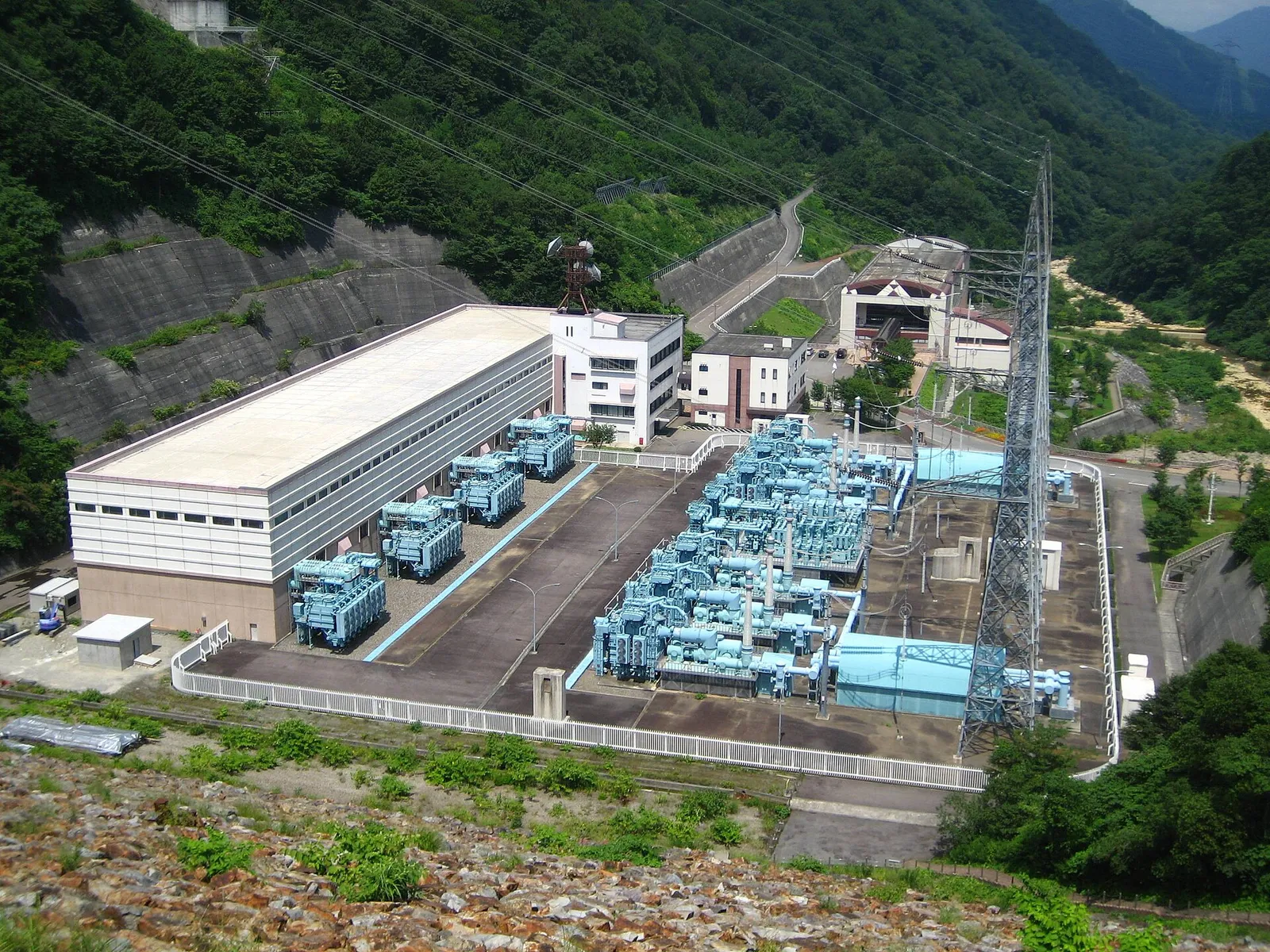
A pumped-storage plant is a giant water battery. When power is cheap and plentiful — say, a windy night — it pumps water uphill from a lower reservoir to a higher one. When demand spikes, it lets the water fall back down through turbines to generate electricity on demand, within seconds. It's the most proven form of grid-scale storage, and unlike lithium-ion batteries (which typically discharge over two to four hours), pumped hydro can store energy for tens of hours and run for decades. The UK's handful of existing stations — Cruachan in Scotland, Dinorwig in Wales — were all built between the 1960s and 1984.
Why the 40-year gap
The pause wasn't about geography but economics. A big scheme costs billions of pounds, takes years to build, and only pays off on the price gap between cheap and expensive power — a signal too uncertain to attract private capital on its own. Ofgem's new "cap and floor" mechanism fixes that: it guarantees developers a revenue floor (consumers top up if income falls short) while capping the upside (excess is returned to consumers). Modeled on the scheme used for power interconnectors, it de-risks these long-lived assets without outright subsidy or state ownership. Energy minister Michael Shanks said the country was "getting Britain building again" 40 years after its last such plant; Ofgem's Akshay Kaul called it a step toward "the long-duration energy storage we need in a clean power system."
Why it matters
The push is tied to Britain's goal of a near-clean power system by 2030. As wind and solar grow, so does the need to store surplus output for windless, sunless stretches — exactly what long-duration storage provides, complementing the shorter-duration battery boom (UK battery capacity has rocketed from around 10 MW to nearly 7 GW in under a decade). The investment case is real but not yet sealed: SSE stressed it will only commit "in line with capital discipline" and its return thresholds, with "a significant number of points of detail" still to resolve. In other words, a provisional green light is a milestone, not a shovel in the ground — but after four decades, it's the clearest signal yet that Britain's water batteries are coming back. This is reporting on a regulatory decision and the documented plans, not investment advice.